Cairo and the Pyramids
Two nights in Cairo with private access to the Grand Egyptian Museum, which recently opened and holds the complete Tutankhamun collection. Giza at dawn, before the gates open.
A private dahabiya sailing Luxor to Aswan, with 14 guests aboard and three thousand years of river bank passing slowly by.
The Nile between Luxor and Aswan is approximately 150 miles. It takes four to six nights to sail it properly, which is to say slowly, with the wind when the wind cooperates, anchoring at dusk in places the large cruise ships cannot reach. The temples along this stretch of river were built facing the water on purpose. They were meant to be seen from a boat. You are arriving exactly as their architects intended.
A dahabiya is the two-masted wooden sailing vessel that carried Egyptian royalty and nineteenth-century European explorers along this river for centuries. The modern iteration carries seven suites, fourteen guests at most, and an onboard Egyptologist who joins you at every site. The vessel was designed in the spirit of the 1920s originals, which means high ceilings, generous open decks, a spa, and a plunge pool from which you can watch the desert cliffs catch the late afternoon light and turn, in the space of about twenty minutes, from sandstone gold to something closer to rose. The chef sources herbs from villages along the bank. The kitchen does not run a buffet. Dinner is made to order, served on deck, and it is, by every account, one of the better meals you will have anywhere.
At Kom Ombo, the temple rises directly from the river on a bend so sharp the current slows against it, and the vessel holds position long enough for the light to shift before you go ashore. This is the only temple in Egypt dedicated to two gods simultaneously — Sobek, the crocodile god, and Horus the Elder — and the ancient Egyptians, who considered this a perfectly reasonable arrangement, installed a crocodile necropolis in the complex to demonstrate their commitment to the theology. The mummified crocodiles are still there. The double entrance, the double sanctuary, the double altar: all of it intact, all of it organized with a precision that has outlasted every civilization that subsequently attempted to organize anything. At Philae, the temple of the goddess Isis sits on an island in the reservoir south of Aswan, accessible only by boat. You arrive at it from the water, which is the only correct way to arrive at anything this old.
Gebel Silsila, where the Nile narrows between sandstone cliffs and the ancient Egyptians quarried the stone for nearly every major monument in Egypt, is not on most itineraries. The walls of Karnak, the pylon at Luxor, the facing blocks of the temples at Abu Simbel — much of this came from this stretch of river. Rock-cut shrines and inscriptions cover the cliffs, many of them recording exactly which pharaoh ordered which stones and where they went. Visiting it by dahabiya, arriving without the crowds because the larger vessels cannot dock here, makes it feel less like a historical site and more like finding the source code.
Every sailing is shaped around the guests aboard it. What follows is one version of the journey; the rhythm is consistent, but the pace, the stops, and the depth of each visit are built around you during the planning conversation.
Arrival in Luxor, transfer to the vessel, and a first evening on the Nile with the light failing over the West Bank. Dinner on deck. The temple of Luxor, lit at night, is visible from the mooring.
The largest religious complex ever built covers more than two square kilometres. Your Egyptologist has arranged early access. The columns in the hypostyle hall are 24 metres tall and there are 134 of them. In the early morning, before anyone else arrives, the scale of it becomes briefly comprehensible before it does not again.
Esna's temple of Khnum sits below street level; the city was built up around it over two thousand years, and the temple descended accordingly. It is excavated now, and you enter it by walking down. The ceiling retains its original pigment. El Kab, a short distance further, holds rock-cut tombs with biographical inscriptions that tell, in the first person, the stories of the governors who commissioned them.
The Temple of Horus at Edfu is the best-preserved temple in Egypt, completed in 57 BCE and sealed under sand for centuries, which is why the colour has not gone. The ceremonial barque, the inner sanctuary, the library inscriptions listing every scroll once held here: the building is detailed in a way that almost nothing else from this period is. Your Egyptologist will stay as long as you want to stay.
The sandstone quarries at Gebel Silsila occupy a stretch of riverbank that shaped the visible face of ancient Egypt. Rock-cut shrines, cartouches, and workers' inscriptions cover the cliffs. Kom Ombo, a few hours south, catches the late afternoon at an angle the ancient builders clearly planned for. The crocodile necropolis is in the complex. The river bends directly in front of it.
The island temple of Isis at Philae is reached by boat, as it has always been. The temple was relocated to its current island in the 1970s when the Aswan reservoir rose, and the relocation preserved the surrounding water approach. Afternoon in Aswan, the southernmost city on the Egyptian Nile, and the point from which Abu Simbel is a 45-minute private charter flight.
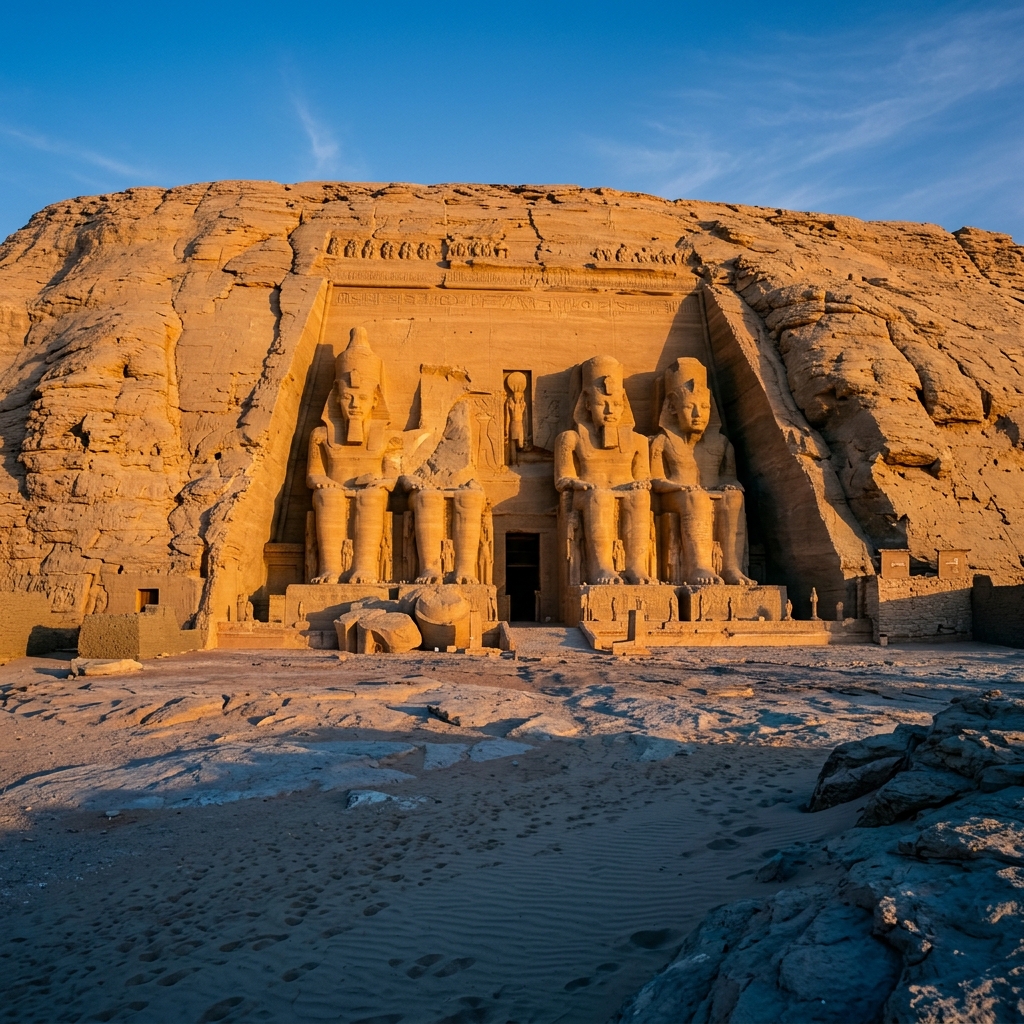
The private charter from Aswan takes 45 minutes and lands directly at the site. Early morning is when the desert is still cool and the light is arriving from the east. The four colossal statues of Ramses II are 20 metres tall. Twice a year, on the 22nd of October and the 22nd of February, the dawn light travels the full length of the inner sanctuary and illuminates the faces of the gods on the back wall. This alignment was engineered in the 13th century BCE. When the temple was relocated in the 1960s to save it from the rising waters of Lake Nasser, the alignment was preserved exactly.
The vessel carries seven suites and cabins, all with windows overlooking the Nile, private bathrooms, air conditioning, and butler service. Suite categories vary by size and position on the vessel; the upper deck suites offer the most direct connection to the open sky and the widest water views. Cabin selection is handled during the planning consultation, and Stratosphere Living will recommend the configuration best suited to your group size and preferences.
For guests adding a Cairo extension, the planning conversation will match accommodation to the standard of the sailing itself. Properties near the Grand Egyptian Museum and the Pyramids plateau are prioritised. For those arriving a night early in Luxor, a property overlooking the temple district is arranged.
All accommodation pairings are confirmed during the planning process and are adjusted to availability at the time of booking.
Twice a year, on the 22nd of October and the 22nd of February, the dawn light enters the doorway of the Great Temple at Abu Simbel, travels 55 metres through the inner chambers, and illuminates the faces of three of the four gods seated on the back wall. The fourth, Ptah, god of the underworld, remains in darkness. This alignment was engineered in the 13th century BCE and has not failed since. When the entire temple was relocated in the 1960s to save it from the rising waters of Lake Nasser, the alignment was preserved exactly. A 45-minute private charter from Aswan puts you at the site before it opens to the public.
The Nile between Luxor and Aswan holds more than Abu Simbel. At Gebel Silsila, the quarry marks and first-person inscriptions of the workers who cut stone for Karnak and Abu Simbel are still carved into the cliffs; most itineraries skip it, this one does not. The double temple at Kom Ombo catches the late afternoon light on its river bend with the crocodile necropolis intact inside. Philae Temple is reached by boat across the reservoir, as it was always reached. And the vessel's head chef teaches ancient Egyptian cooking techniques using ingredients sourced from villages on the western bank. The river gives you all of it, in order, at its own pace.
Two nights in Cairo with private access to the Grand Egyptian Museum, which recently opened and holds the complete Tutankhamun collection. Giza at dawn, before the gates open.
A 45-minute flight from Aswan, with early-access site time and return. Can be added to either end of the sailing or as a standalone day from Aswan.
An additional night in Luxor before embarkation, with an evening visit to Luxor Temple and a private pre-dawn visit to the Valley of the Kings.
Two nights in Aswan after disembarkation, with visits to the Nubian villages, Elephantine Island, and the Unfinished Obelisk.
The sailing fills early and availability is limited to fourteen guests at a time. Reach out.
Request This Journey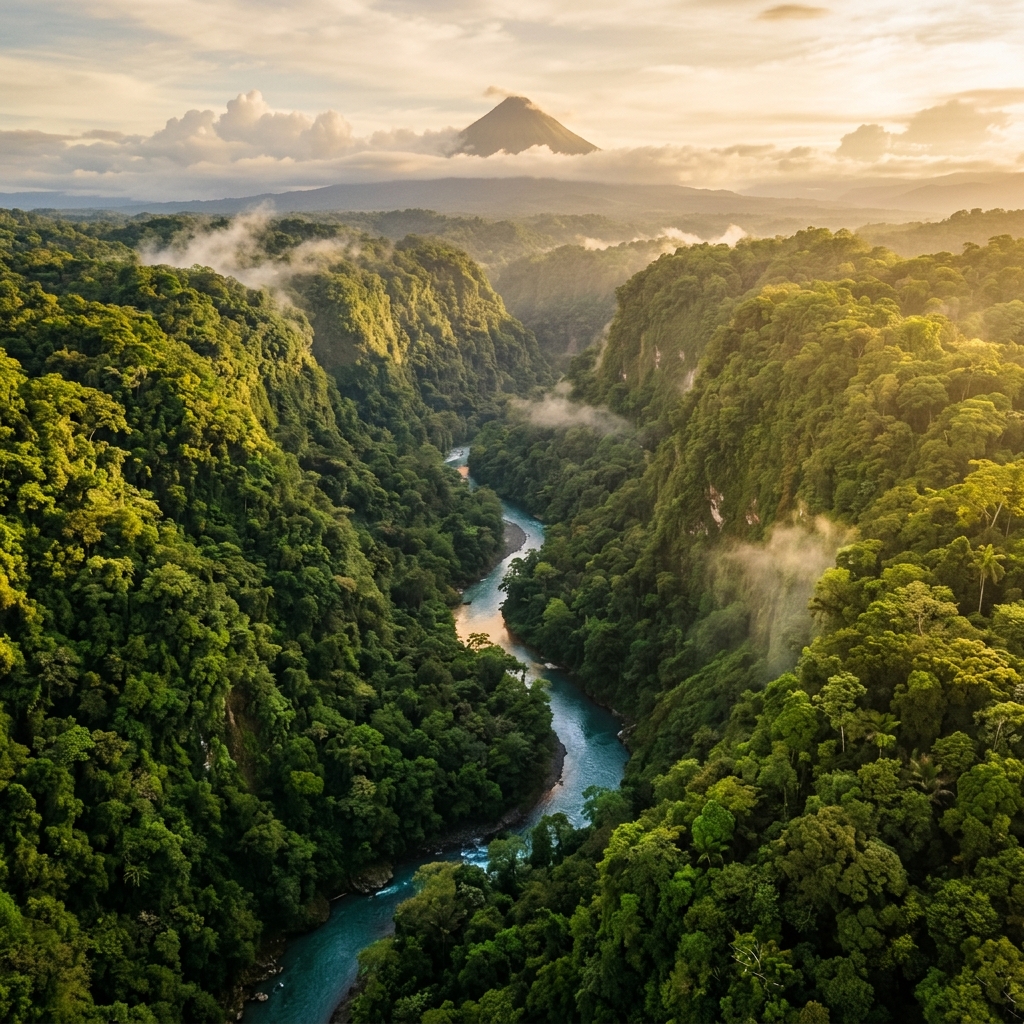
A private journey through four of Costa Rica's most remote and biologically extraordinary landscapes.
View Itinerary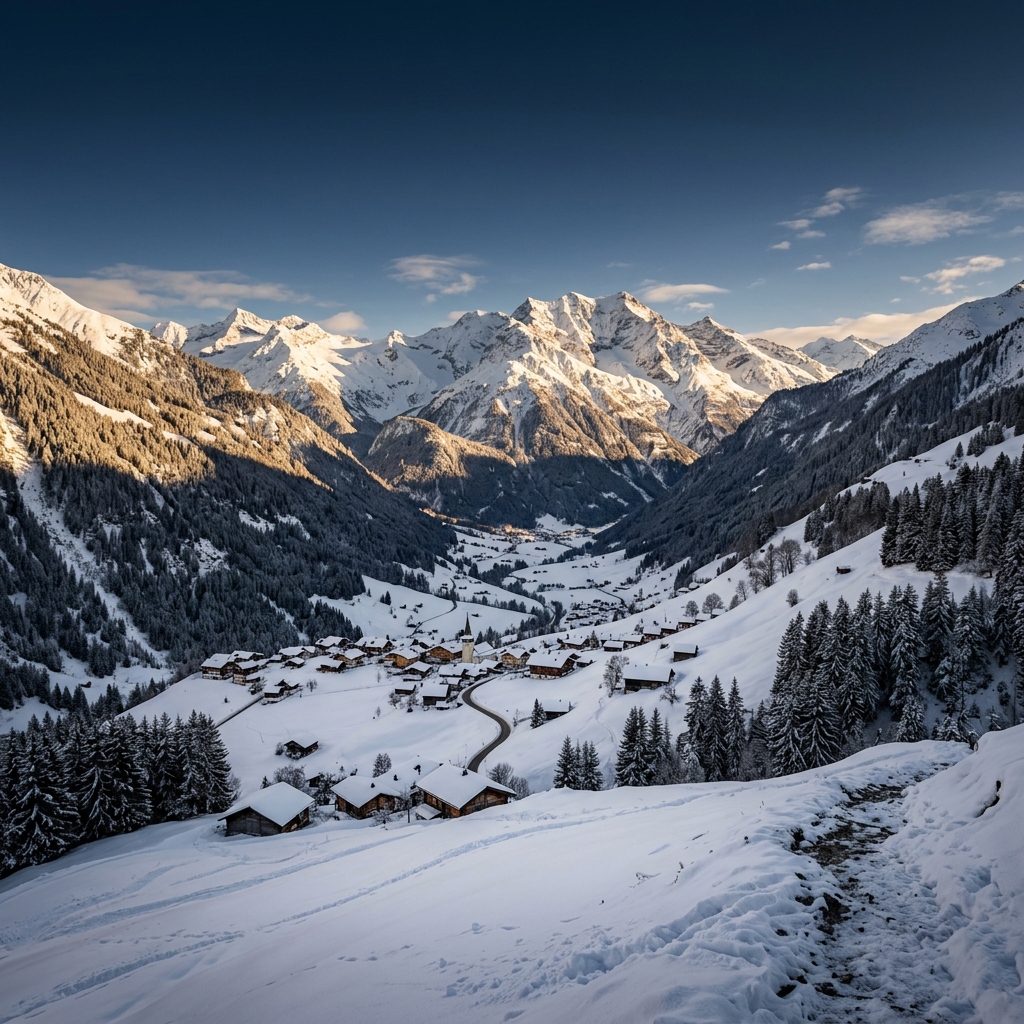
A private winter journey through Adelboden-Lenk, anchored by two of the finest spa hotels in the Swiss Alps.
View Itinerary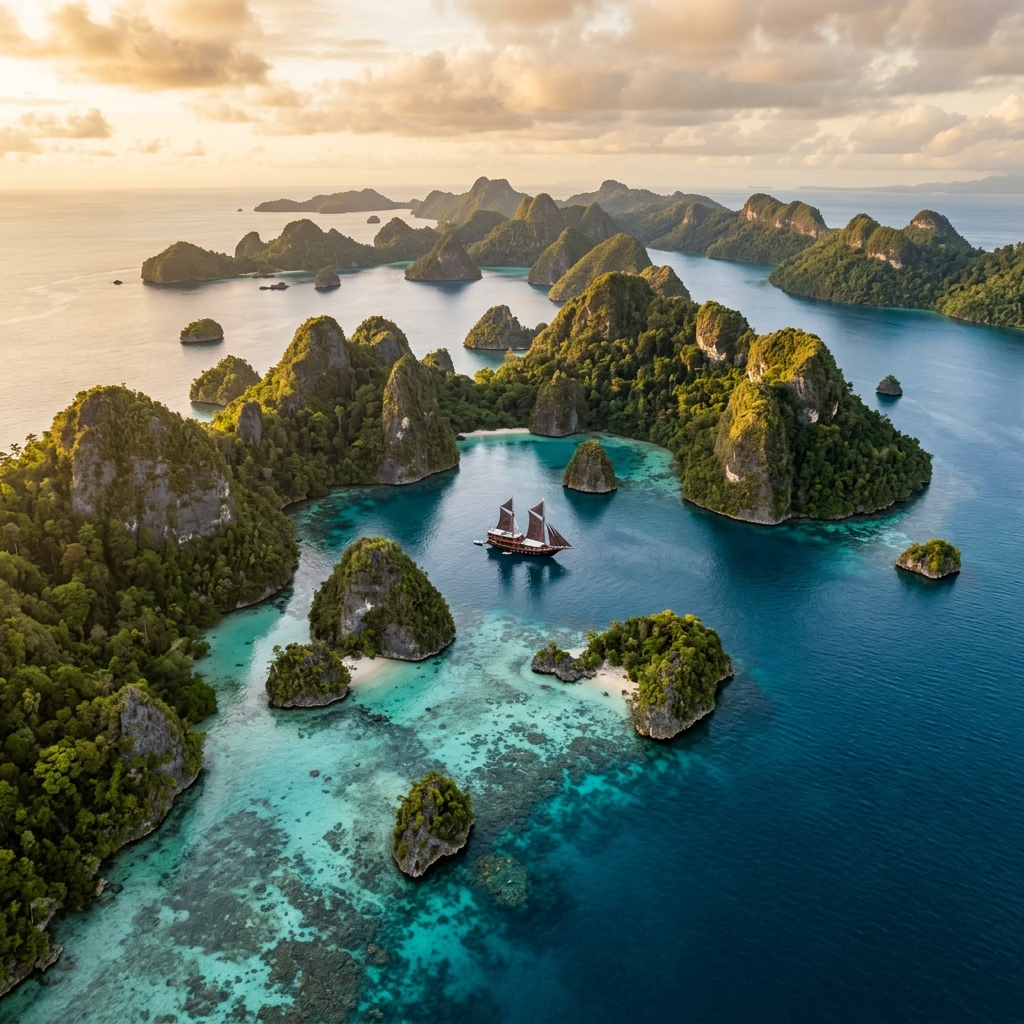
Eight nights aboard a private 52-metre sailing vessel in the most biodiverse marine environment on earth.
View Itinerary
Nine countries. One aircraft. Zero decisions. A 24-day private jet journey across four continents.
View Itinerary